You have found a product that buyers abroad want, maybe even your first overseas enquiry. Then comes the question every new exporter asks: what paperwork do I actually need? Customs, banks, tax authorities and overseas buyers all expect to see the right registrations before goods can leave India and payments can come back smoothly.
The good news is that most of these documents are one-time registrations, and many can now be applied for online. This guide breaks down the essential documents for starting and running an export business from India: what each one is, who issues it, who needs it, and when and why you need it. Whether you are an MSME, a D2C brand or a first-time merchant exporter, use it as your starting checklist.

Getting your export documents in order early saves delays at the bank and at customs.
Export Documents at a Glance
Document
Issued By
Who Needs It
Purpose
IEC (Import Export Code)
Directorate General of Foreign Trade (DGFT)
Most businesses and individuals exporting or importing commercially
Primary identity number for export and import transactions
GST registration
GST authorities, via the GST portal
Exporters of goods and services, subject to GST rules
Tax compliance, LUT filing and IGST/ITC refunds
PAN card
Income Tax Department
Proprietor (personal PAN) or the business entity
Tax identity; required for IEC, GST and banking
Current bank account
An Authorised Dealer (AD) bank
Every exporter
Receiving export proceeds and foreign exchange handling
AD Code registration
Code issued by your AD bank; registered with customs
Exporters shipping goods through a port, airport or ICD
Linking shipments to your bank account for customs and forex
RCMC
Relevant Export Promotion Council or commodity board
Exporters who want benefits under the Foreign Trade Policy
Membership proof and eligibility for certain export benefits
DSC (Digital Signature Certificate)
Licensed Certifying Authorities
Exporters and authorised signatories filing online
Signing documents on DGFT, ICEGATE and other portals
Factory / shop licence
State or local authorities
Manufacturer exporters and businesses with premises
Legal permission to operate the business premises
FSSAI / Halal / Organic certification
FSSAI; accredited certification bodies
Exporters of food and food-related products
Food safety compliance and market-specific requirements
Core Registrations Every Exporter Needs
These first four documents form the legal and financial foundation of your export business. Almost every exporter needs them before the first shipment.
1. IEC (Import Export Code)
What it is: The Import Export Code is a 10-character identification number that India uses for export and import transactions. It is linked to your PAN.
Who issues it: The Directorate General of Foreign Trade (DGFT), under the Ministry of Commerce and Industry. You apply online through the DGFT portal.
Who needs it: Proprietors, partnerships, LLPs and companies that export or import goods or services commercially. Limited exemptions exist, so check the current DGFT rules if you think one applies to you.
When and why: Get your IEC before your first commercial shipment. Customs uses it on shipping bills, banks use it to process export remittances, and it is needed to claim most export benefits. DGFT also requires IEC holders to keep their details updated periodically, so check the current update requirement on the portal.
2. GST Registration
What it is: Registration under the Goods and Services Tax, which gives you a GSTIN for your business.
Who issues it: The GST authorities, through the online GST portal.
Who needs it: Most exporters of goods, and many exporters of services, particularly those who want to export without paying IGST under a Letter of Undertaking (LUT) or claim refunds. Thresholds and conditions apply, so confirm your position with a tax adviser.
When and why: Register before you start invoicing overseas buyers. Exports are generally treated as zero-rated supplies, which means you can either export under an LUT without paying IGST or pay IGST and claim a refund. Your GSTIN appears on export invoices and shipping bills, and it is central to getting refunds processed.
3. PAN Card
What it is: The Permanent Account Number, a 10-character tax identity number.
Who issues it: The Income Tax Department, through its authorised application channels.
Who needs it: A sole proprietor typically uses their personal PAN. Partnerships, LLPs and companies need a PAN in the entity's own name; companies usually receive it as part of incorporation.
When and why: PAN comes first, because the IEC, GST registration and your current account are all linked to it. Get it in place before anything else.
4. Current Bank Account in the Business Name
What it is: A current account opened in the exact name of your business, ideally with a bank authorised to deal in foreign exchange (an Authorised Dealer, or AD, bank).
Who issues it: Your chosen AD bank, after completing its KYC process.
Who needs it: Every exporter. Export proceeds must flow through proper banking channels so they can be reconciled against your shipments.
When and why: Open it early, since you need it for the IEC application and to get your AD code. When comparing banks, ask how they handle inward foreign remittances, export documentation and the related charges.
Customs and Trade Registrations
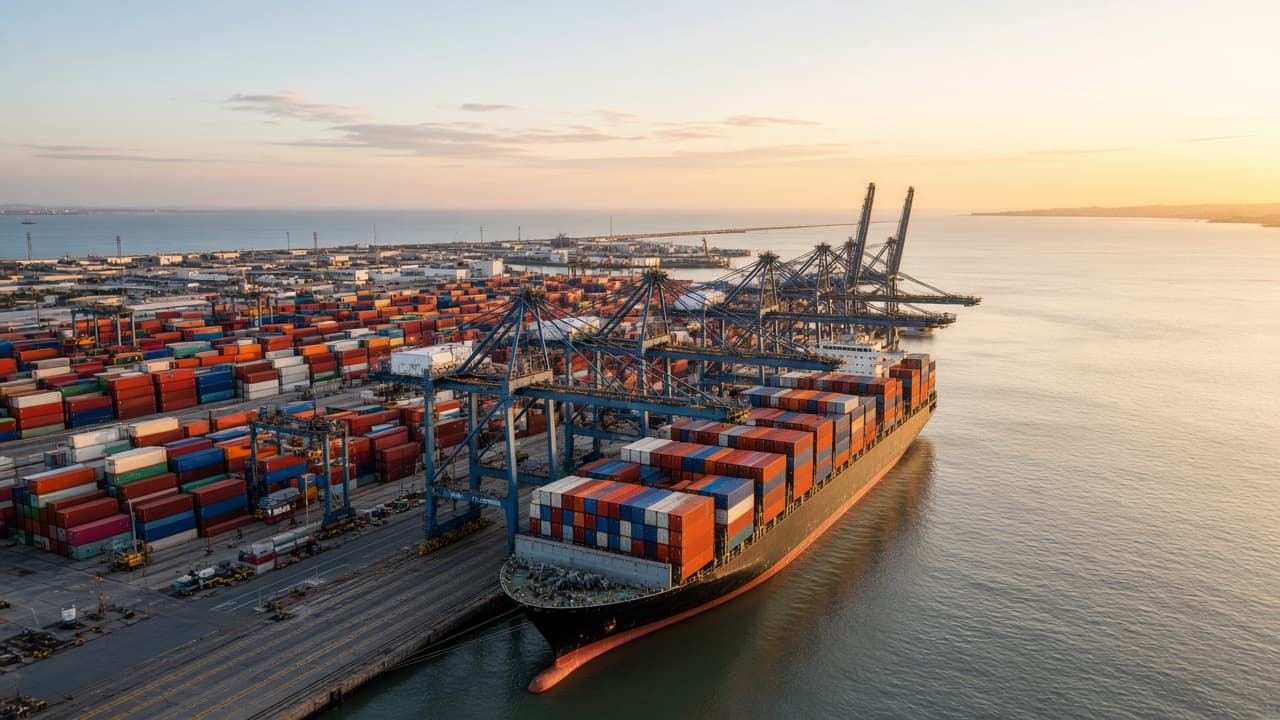
Before goods leave an Indian port, customs needs your IEC, GST details and registered AD code.
5. AD Code Registration with Customs
What it is: The Authorised Dealer code is a code that identifies your AD bank account. It must be registered with customs at each port, airport or ICD you export from.
Who issues it: Your AD bank issues the code. You then register it with customs, generally through the ICEGATE system run under CBIC.
Who needs it: Exporters shipping goods through customs. If you export from more than one port, you need to register the code at each one.
When and why: Register it before your first shipment from a port. Without it, your shipping bill cannot be processed, and export proceeds and incentives cannot be properly linked to your shipment.
6. RCMC (Registration-cum-Membership Certificate)
What it is: A certificate showing that you are registered as a member of the relevant Export Promotion Council (EPC) or commodity board for your products.
Who issues it: The Export Promotion Council or commodity board relevant to your product, for example a council for engineering goods, textiles or chemicals, or APEDA or the Spices Board for agricultural products. Multi-product exporters can register with FIEO. Applications are increasingly handled online through DGFT's platform.
Who needs it: Exporters who want to claim benefits, authorisations or concessions under the Foreign Trade Policy, and those who want to use EPC services such as trade fairs and market intelligence.
When and why: Apply once your IEC is in place and before you claim any benefits. RCMCs are issued for a set validity period, so note the renewal date.
7. DSC (Digital Signature Certificate)
What it is: An electronic version of your signature, typically stored on a secure USB token, used to sign documents online.
Who issues it: Certifying Authorities licensed under India's Controller of Certifying Authorities (CCA).
Who needs it: Exporters and their authorised signatories who file or sign documents online on portals such as ICEGATE and DGFT. Customs brokers who file on your behalf use their own DSC.
When and why: Get one when you set up your online registrations. It is used for ICEGATE registration, signing electronic documents and some DGFT applications. Check which DSC class each portal currently accepts before you buy one.

Many export registrations, from IEC to ICEGATE, are now handled online, often with a Digital Signature Certificate.
Licences for Manufacturers and Food Exporters
8. Factory or Shop Licence
What it is: Legal permission to run your premises. Manufacturers may need a factory licence under the Factories Act, while shops, offices and warehouses usually register under their state's Shops and Establishments Act.
Who issues it: State and local authorities, such as the state factories department, labour department or municipal body, depending on your state and activity.
Who needs it: Manufacturer exporters, and any exporter operating from business premises. Depending on your industry, you may also need other approvals, such as pollution control consents.
When and why: Get it before production or operations begin. Banks, buyers and EPCs may ask for it as proof that your business is legitimate, and it supports supplier audits by overseas buyers. MSMEs may also want Udyam registration to access certain schemes.
9. FSSAI, Halal or Organic Certification (Food-Related Products)
What it is: Food safety licensing and product certifications for exporters of food, beverages, spices, and other food-related goods.
Who issues it:
· FSSAI licence: The Food Safety and Standards Authority of India. Food businesses involved in exports generally need an FSSAI licence of the appropriate category, so confirm the current requirement for exporters.
· Halal certification: Accredited halal certification bodies. Requirements depend on the destination market and product, and some markets only accept certificates from bodies they recognise.
· Organic certification: Accredited certification bodies under India's National Programme for Organic Production (NPOP), which APEDA administers for exports.
Who needs it: Food exporters, and anyone who wants to sell products as halal or organic in markets that require those certifications.
When and why: Plan these early, because inspections, audits and documentation take time. The destination country's import rules and your buyer's requirements decide which certificates you need.
Non-Static: Changes Every Year
Export documentation is a non-static topic. The broad list of documents stays fairly stable, but the details around them change regularly, often every year.
· Rules and procedures: DGFT notifications, Foreign Trade Policy changes, customs procedures and GST rules are updated periodically.
· Fees and charges: Government application fees, certification costs and bank charges can change.
· Processes and portals: Application steps, portal workflows, accepted DSC classes and required supporting documents are revised from time to time.
· Validity and renewals: IEC update requirements, RCMC validity, LUT renewal and licence renewal timelines can shift.
· Food and market rules: FSSAI requirements and destination-country rules for halal and organic products also evolve.
Important: Always verify current rules, fees and processes on official sources, including the DGFT portal, the GST portal, the Income Tax e-filing portal, CBIC/ICEGATE for customs, and the FSSAI portal for food businesses, before you apply.
Export Documents Checklist
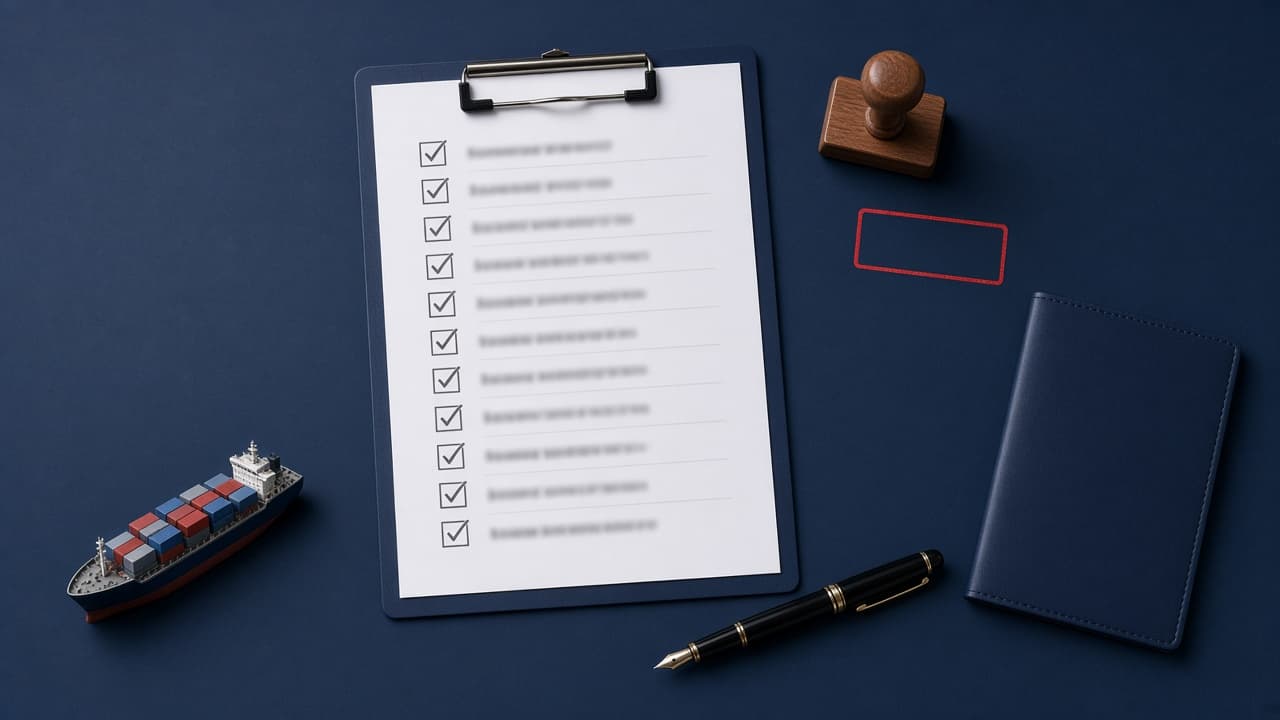
Tick off each registration before you book your first international shipment.
☐ PAN in place for the proprietor or business entity
☐ Current account opened in the business name with an AD bank
☐ IEC obtained from DGFT and details kept up to date
☐ GST registration done and LUT filed (if applicable)
☐ AD code issued by the bank and registered with customs at each port of export
☐ RCMC obtained from the relevant Export Promotion Council or commodity board
☐ Digital Signature Certificate obtained for online filings
☐ Factory or shop licence (and other premises approvals) in place
☐ FSSAI licence and halal or organic certification arranged, if exporting food
☐ Current rules verified on DGFT, GST, Income Tax, CBIC/ICEGATE and FSSAI portals
Frequently Asked Questions
Which document should I get first?
Start with PAN, since your IEC, GST registration and current account are all linked to it. Then open a current account, apply for IEC and GST, and get your AD code registered with customs.
Do I need a separate AD code for every port?
The AD code identifies your bank account, but it must be registered with customs at each port, airport or ICD you export from.
Is RCMC compulsory?
RCMC is generally needed if you want to claim benefits under the Foreign Trade Policy. Even when it is not strictly required, EPC membership can be useful for market information and trade events.
What extra documents do food exporters need?
Food exporters typically need an FSSAI licence, and depending on the product and market, halal or organic certification. The destination country may also have its own import rules.
Conclusion
Starting to export from India begins with getting your paperwork right. PAN, a current account, IEC and GST registration form the foundation; the AD code, RCMC and DSC connect you to customs, export councils and online systems; and factory licences and food certifications cover what you make and where you sell it.
Take them one step at a time, keep copies organised, and track renewal dates. Because rules and processes change every year, verify the details on official portals before you apply, and you will be ready to ship with confidence.
Ship Internationally with SkyNet
Once your documents are in place, the next step is getting your products to customers abroad. SkyNet helps Indian exporters, D2C brands and MSMEs ship internationally, with documentation support and a choice of couriers to fit your shipments. When you're ready to send your next international order, get in touch with SkyNet to explore your shipping options.